Indruction
Hello friends, welcome to Rajesh Technical Blog. Today I will tell you about BS4 Bike Spark Plug Shot: Causes, Diagnosis, and Step-by-Step Solutions.
BS4 Bike Spark Plug Shot: Causes, Diagnosis, and Step-by-Step Solutions
Your BS4 bike's spark plug is key to smooth rides and meeting those strict emission rules. Without it firing right, you face rough starts, wasted fuel, and even failed inspections. In this guide, you'll learn how to spot a "shot" spark plug—think no spark, gunk buildup, or engine stutters—and fix it step by step for better performance.
A shot spark plug means the part can't ignite the fuel mix properly. It leads to misfires or total no-go on starting. BS4 owners deal with this often because these engines run tight for clean exhaust.
Introduction: Understanding the Critical Role of the Spark Plug in BS4 Engines
Imagine kicking your BS4 bike to life, but it coughs and sputters instead. That's the nightmare of a failing spark plug. These tiny parts create the spark that powers your ride, and in BS4 engines, they help cut down on pollution to meet Bharat Stage IV norms.
You rely on that spark for everything from quick acceleration to steady idling. When it shots out, the whole system suffers—poor power, extra smoke, and higher repair bills. We'll cover why it happens, how to check it, and fixes that keep your bike compliant and fun.
BS4 bikes, like popular models from Hero or Bajaj, need precise timing for low emissions. A bad plug throws that off, risking fines or breakdowns. Stick around; you'll get tools to diagnose and solve this headache yourself.
Section 1: The Anatomy of a Spark Plug Failure in BS4 Motorcycles
Recognizing the Symptoms of a Blown or Fouled Plug
You notice a shot spark plug right away if your bike acts up. Hard starts top the list—maybe it takes three kicks before it catches. Rough idling follows, with the engine shaking like it's cold even on warm days.
Poor fuel economy hits your wallet next. You fill up more often as the bike guzzles gas without burning it clean. Misfires show as pops from the exhaust or jerks during rides.
In BS4 engines, these signs mess with emission controls. The precise ignition keeps pollutants low, but a failing plug lets extra junk escape. Watch for check engine lights too; they warn of the trouble brewing.
Distinguishing Between Fouling, Cracking, and Electrode Wear
Fouling happens when gunk coats the plug. Wet fouling looks oily from engine leaks, while dry sooty black comes from rich fuel mixes. Pull the plug; if it's black and sticky, that's your clue.
Cracking shows on the insulator—the white ceramic part. Fine lines or chips mean heat stress broke it. This lets electricity leak, killing the spark.
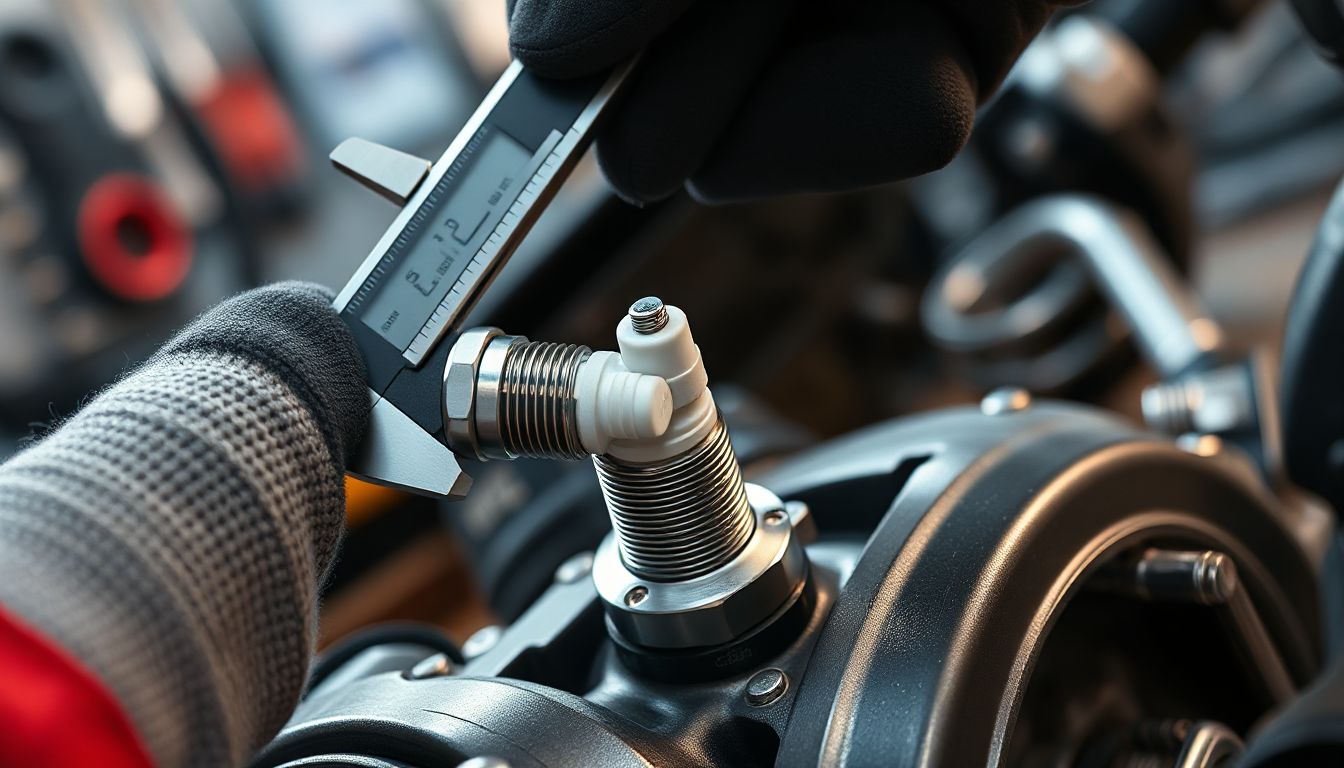
Electrode wear thins the center tip over time. The gap widens, weakening the zap. Check by measuring; if it's beyond spec, replace it fast.
Stock BS4 plugs last 10,000 to 15,000 km if you ride easy. Hard use cuts that short. Visual checks help you tell these apart without fancy gear.
The Critical Role of Heat Range in BS4 Performance
Heat range decides how a plug handles engine temps. Too hot, and it glows red, sparking fuel too soon—pre-ignition that damages parts. Too cold, and it fouls quick from unburned fuel.
BS4 engines run hotter for clean burns, so pick a plug matched to your model. Check the manual for the right number, like NGK's CR8E. Wrong choice leads straight to shot plugs.
Think of it like Goldilocks—get the range just right for steady heat. This keeps your bike's emissions in check and boosts mileage. Mismatch it, and you'll chase fixes endlessly.
Section 2: Primary Causes Behind BS4 Spark Plug Failure
Fuel Mixture Imbalances (Rich vs. Lean Conditions)
Rich mixtures flood the chamber with fuel, leaving black carbon on plugs. In older BS4 bikes with carbs, a dirty jet or stuck float causes this. Newer fuel-injected models glitch from bad sensors.
Lean mixes starve the engine of fuel, overheating the plug tips. They blister or melt, shooting the spark. Faulty air filters or vacuum leaks spark these issues.
Oxygen sensors in FI bikes read exhaust to tune the mix. If they fail, the ECU sends wrong signals. MAF sensors measure air flow; dirt on them tricks the system too. Fix the mix first to save plugs.
Ignition System Weakness and Voltage Issues
Weak coils can't build enough juice for a strong spark. Test yours; low output means replace it. Bad wires or caps leak power, starving the plug.
Wrong gap during install widens the space too much. Sparks jump weak or not at all. Set it to 0.7-0.8 mm for most BS4 bikes.
Low battery voltage under load drops spark strength. Charge it full and check connections. These electrical slips cause intermittent misfires, frustrating on the road.
Internal Engine Health Factors
Oil burning fouls plugs wet if rings or valves wear out. Blue smoke from exhaust signals this. Fix seals before new plugs gunk up again.
Overheating from bad coolant or clogged radiators cooks the plug. It cracks under stress. Cool the engine right to protect ignition.
Engine knocks from bad timing belts hurt plugs too. Always check these roots. A shot plug often points to bigger troubles inside.
Section 3: Step-by-Step Diagnosis and Inspection Procedure
Safe Removal Techniques for BS4 Spark Plugs
Park your bike and let the engine cool fully—hot parts burn skin. Grab a 16mm deep socket and ratchet; thin walls avoid damage.
Pull the cap straight off; twist if stuck, but don't yank wires. Use the socket to loosen the plug counterclockwise. If it's tight, spray penetrant and wait.
Wiggle it out gently to dodge thread stripping. Inspect the cap for cracks or wear while it's free. Clean the hole with compressed air.
Visual Analysis: Reading the Plug’s Condition
A healthy plug sports a light tan or gray electrode. No big buildup means it's burning right. Snap a photo for records.
Black sooty tips scream rich fuel—clean the carb or check injectors. Oily black points to oil leaks; hunt for those. White or blistered? Lean mix or heat issues.
Cracked insulators glow with faults. Wide gaps show wear. Compare to new ones for quick reads.
Testing Spark Output (On or Off the Engine)
Get a spark tester tool; it grounds safe without shocks. Clip it between plug and wire, then crank the engine.
Look for a bright blue or white snap—strong sign of health. Yellow or weak orange means trouble in the coil or wiring.
Bench test by grounding the plug threads to the engine. Hold the electrode near a metal part and kick it over. No fat spark? Dig deeper into electrics.
Section 4: Solutions and Preventative Maintenance for Longevity
Selecting the Correct Replacement Spark Plug
Stick to OEM specs for your BS4 model—say, NGK for Bajaj Pulsar. Iridium lasts longer than copper, up to 40,000 km.
Heat range must match; check the box code. Use a gap tool to set 0.6-0.8 mm—twist the side electrode if needed.
Coat threads light with anti-seize. Hand-tighten first, then torque to 12-15 Nm. Overdo it, and you strip the head.
Troubleshooting Electrical and Fuel Delivery Components
If the new plug shots fast, test coil resistance—aim for 0.5-1 ohm primary. Check CDI wires for frays.
Battery should hold 12.6 volts off, 10+ under crank. Clean grounds tight.
Fouling? Swap the air filter and clean the carb jets. For FI, scan for error codes on injectors.
Establishing a BS4 Spark Plug Maintenance Schedule
Inspect plugs every oil change, around 3,000 km. Look for wear signs.
Replace copper types at 10,000 km; iridium at 30,000. Track mileage in a log.
Torque new ones right—use a wrench with spec. This prevents leaks and early fails. Regular checks save headaches down the road.
Conclusion: Ensuring Reliable Ignition for Compliant Performance
A shot spark plug signals deeper issues, not just bad luck. From fuel tweaks to electric checks, fixing the cause keeps your BS4 bike running clean and strong.
Match plugs to your engine's needs for top efficiency and emission wins. Proactive care means fewer breakdowns and better rides.
Grab your tools today—diagnose that2025/11/mastering-bajaj-discover-kick-spring sputter and get back on the road smooth. Your bike will thank you with miles of trouble-free fun.
If you found this post useful, please share it with your friends and comment if you have any questions.


Comments
Post a Comment