Indruction
The Ultimate Guide to Wiring Connection Ideas for Every Bike: From Basics to Custom Builds
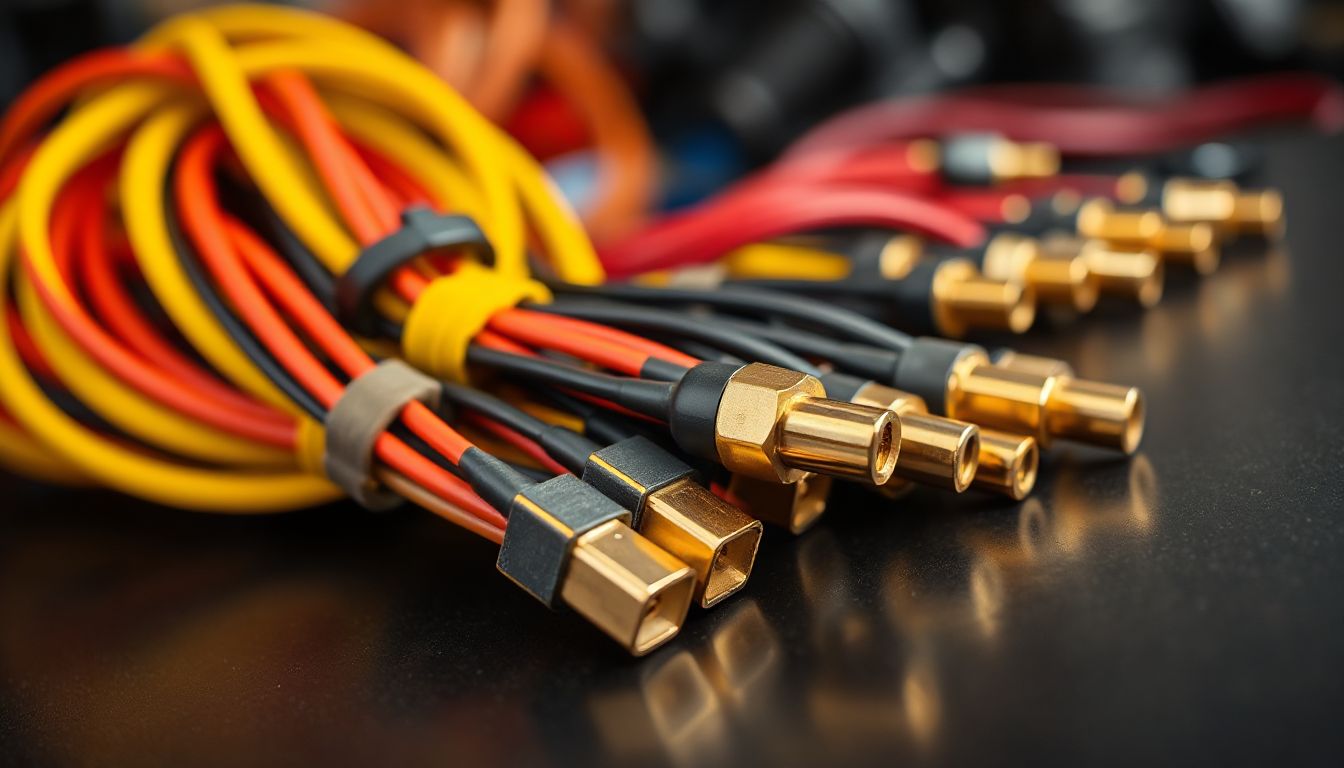
Ever stared at your bike's tangled wires and felt a wave of frustration? Riders often deal with faulty connections that cause lights to flicker or accessories to fail mid-ride. Good wiring keeps your motorcycle running smooth and safe, no matter if it's a daily cruiser or a weekend sportbike.
This guide covers wiring connection ideas for every bike type, from simple fixes to bold custom jobs. We'll look at basics like safety checks and wire picks, then move to key systems such as ignition and lights. You'll also find tips on adding power for gadgets, fancy lighting, and ways to spot issues before they strand you. Keywords like "wiring connection ideas," "motorcycle wiring," and "bike electrical upgrades" pop up here to help you find solid advice fast.
Mastering the Fundamentals of Bike Wiring Safety and Preparation
Before you touch any wires, think about safety. One wrong move can spark a fire or shock you. Start with the basics to build a strong setup.
Essential Pre-Wiring Safety Protocols
Disconnect the battery first—pull the negative cable to cut power. Grab the right tools, like wire strippers and crimpers, to avoid messy cuts. Wear safety glasses to shield your eyes from flying bits.
Test new setups with a multimeter before flipping the switch back on. This checks for shorts and keeps you out of trouble. Many riders skip this and regret it later.
Follow these steps every time. Your bike's electrical system thanks you with fewer headaches down the road.
Understanding Wire Gauge Selection for Load Requirements
Wire gauge matters a lot—it's like picking the right hose for water flow. Use AWG numbers to match the current your accessories need. Thicker wires handle more amps without heating up.
For LEDs or horns, go with 16-18 gauge. Chargers might need 14 gauge or thicker. Check simple charts online for "correct wire gauge for motorcycle accessories" to pick smart.
Match the gauge to your bike's load, and you'll avoid dim lights or melted insulation. It's a small choice that boosts reliability.
The Importance of Quality Connectors Over Taping
Skip the tape—it's a quick fix that fails fast. Use Deutsch or weather-pack connectors for spots exposed to rain and dirt. They lock tight and keep water out.
For inside runs, solder wires and cover with heat-shrink tubing. Crimp butt splices right for strong joins. Factory bikes use these for a reason; they last through bumps and vibes.
Take a headlight wired with tape—it loosens and shorts out. Swap to proper connectors, and that light stays bright for years. Quality pays off in peace of mind.
Core System Connections: Ignition, Charging, and Lighting Integrity
Your bike's heart beats through its core wiring. Get these right, and rides stay trouble-free. Mess them up, and you're pushing home.
Reliable Ignition and Kill Switch Wiring Maintenance
Ignition switches wear out from constant use. Contacts get dirty, causing starts that cut off randomly. Clean them with contact spray and check for loose harness ties.
Secure the kill switch wires with zip ties away from heat. Test the circuit for steady flow. Riders on cruisers often face this after long trips.
Fix these spots early. It saves you from that heart-sink moment when the bike quits at a light.
Optimizing Charging System Connections (Stator/Regulator)
The charging setup powers everything while you ride. OEM harnesses near the stator fray from engine heat. Inspect for rust or loose plugs that cause overheat.
Tighten connections and add dielectric grease to fight corrosion. Regulator failures spike in hot weather, per bike shop pros. Keep amps steady to charge your battery right.
A solid charging link means no dead battery surprises. Check it during oil changes for best results.
Best Practices for Headlight and Tail Light Wiring Upgrades
LED swaps draw less power but need clean paths. Factory switches can't handle big loads, so add a relay. It pulls straight from the battery for steady beams.
Wire the relay with 12-gauge for headlights. Tail lights benefit from the same—brighter and longer-lasting. This upgrade shines on ADV bikes in dark trails.
You'll see better at night and cut bulb swaps. Simple relay install transforms your lighting game.
Integrating Auxiliary Power and Data Connections
Modern bikes crave extras like phone chargers. Smart wiring keeps power flowing without drains. Plan these adds for easy growth.
Creating a Dedicated, Fused Accessory Power Distribution Block
Mount a fuse block under the seat for safe access. Brands like Blue Sea offer compact ones that fit most frames. Run a main wire from the battery to feed it all.
Fuse each add-on separate—no sharing lines. This stops one fault from killing the rest. Sportbike riders love this for clean dash setups.
Your block becomes a hub for future tweaks. It beats hunting wires in a pinch.
Secure Wiring for USB Charging Ports and GPS Mounts
USB ports need switched power to save battery when off. GPS units run constant to track always. Pick wires that match—18 gauge works for both.
Hide runs along the bars with loom for looks. Add inline fuses to guard against surges. Phone riders on long hauls swear by this setup.
Charge worry-free and keep your nav on point. It's a must for tech-savvy tours.
Advanced Connection Techniques for Heated Gear and Grips
Heated gear pulls heavy amps, so use relays and thick wire. Inline thermal fuses cut power if things overheat. Grips wire easy—tap the battery with a switch.
Vests need dedicated lines to avoid dimming lights. Test draw with your multimeter first. Winter ADV folks use this to stay toasty.
Warm hands mean better control in cold. Wire it safe, and gear lasts seasons.
Custom Aesthetics and Lighting Connections
Looks matter on custom bikes. Wiring hides to let lights pop. Keep it neat for that pro finish.
Discreet Installation of Underglow and Accent Lighting
Tuck underglow wires inside frame tubes. Use micro-JST plugs for quick swaps. LEDs sip power, so 20-gauge does fine.
Route away from moving parts to dodge wear. Waterproof everything for wet rides. Cruisers glow epic at bike nights with this.
Your bike turns heads without wire clutter. Fun mod that amps style.
Wiring Auxiliary Fog Lights and Crash Bar Lighting
Fog lights mount low on bars—run armored wire to fight wind. Tie into high beams with a relay for auto-on. Vibration-proof connectors hold through rough paths.
Blend switches into bars for clean controls. "Motorcycle auxiliary light wiring solutions" searches lead here for tips. Sportbikes gain edge in fog with these.
Better sight means safer night runs. Install once, enjoy always.
Seamless Integration of Turn Signal Indicators
LED signals flash too fast without resistors. Add load ones inline to fix hyper-flash. Sequential sets wire in series for smooth flow.
Avoid error codes by grounding right. No resistors needed on some CAN-bus bikes. Custom builds shine with running lights too.
Signals clear and sharp—drivers see you coming. Easy upgrade for safety.
Diagnosing, Protecting, and Future-Proofing Your Wiring
Troubles hit hard on the road. Spot them early with checks. Protect for miles ahead.
Protecting Connections from Vibration and Moisture Ingress
Vibes loosen plugs fast—grease terminals to lock them. Heat-shrink seals out spray on exposed spots. Liquid tape works for odd angles.
Dielectric grease fights rust in humid spots. Road salt eats wires quick without it. All bikes, from cruisers to dirt bikes, need this shield.
Dry, tight links last longer. Simple care beats big repairs.
Tools and Techniques for Electrical Diagnostics (Multimeter Mastery)
Grab a multimeter for quick tests. Check continuity to find breaks. Voltage drop across switches spots weak links—aim under 0.5 volts.
Ground faults show as low readings. Test hot and cold for changes. "Always check for voltage drop across a switch when troubleshooting accessory failures."
Master this, and you fix most issues solo. No shop trips needed.
The Role of Wiring Diagrams and Documentation for Custom Bikes
Sketch your setup after changes. Label colors and paths. Apps make digital versions easy.
Sells faster with clear docs. Future you thanks the notes during tweaks. Every custom rider should do this.2025/11/step-by-step-guide-how-to-effectively
Organized wiring saves time and stress. Build your bike's story right.
Conclusion: Wiring Connection Takeaways for Long-Term Reliability
Solid wiring starts with safety—cut power, pick right tools, and test twice. Use quality connectors and fuses over shortcuts. Seal against wet and shakes for lasting holds.
These ideas fit any bike, boosting performance and looks. No more flickers or fails—just smooth rides. Grab your tools and try a fix today; your motorcycle will run stronger for it.
Word count: 1,248
📲 Join us on Social Media


Comments
Post a Comment