Indruction
Hello friends, welcome to Rajesh Technical Blog. Today I'll be sharing the Comprehensive Apache Bike Service Manual: Essential Guide for Riders.
Let's get started step by step without further ado.
TVS Apache bikes have won hearts of riders who crave speed and solid build. Sales jumped 15% last year, pulling in new fans across India and beyond. Yet, keeping that thrill alive means regular care. The Apache bike service manual steps in as your go-to tool. It covers everything from basic checks to deep fixes. This guide pulls out the key parts. You'll learn to handle upkeep on your own. That way, you stay safe on the road and stretch your bike's life.
Understanding the TVS Apache Service Manual
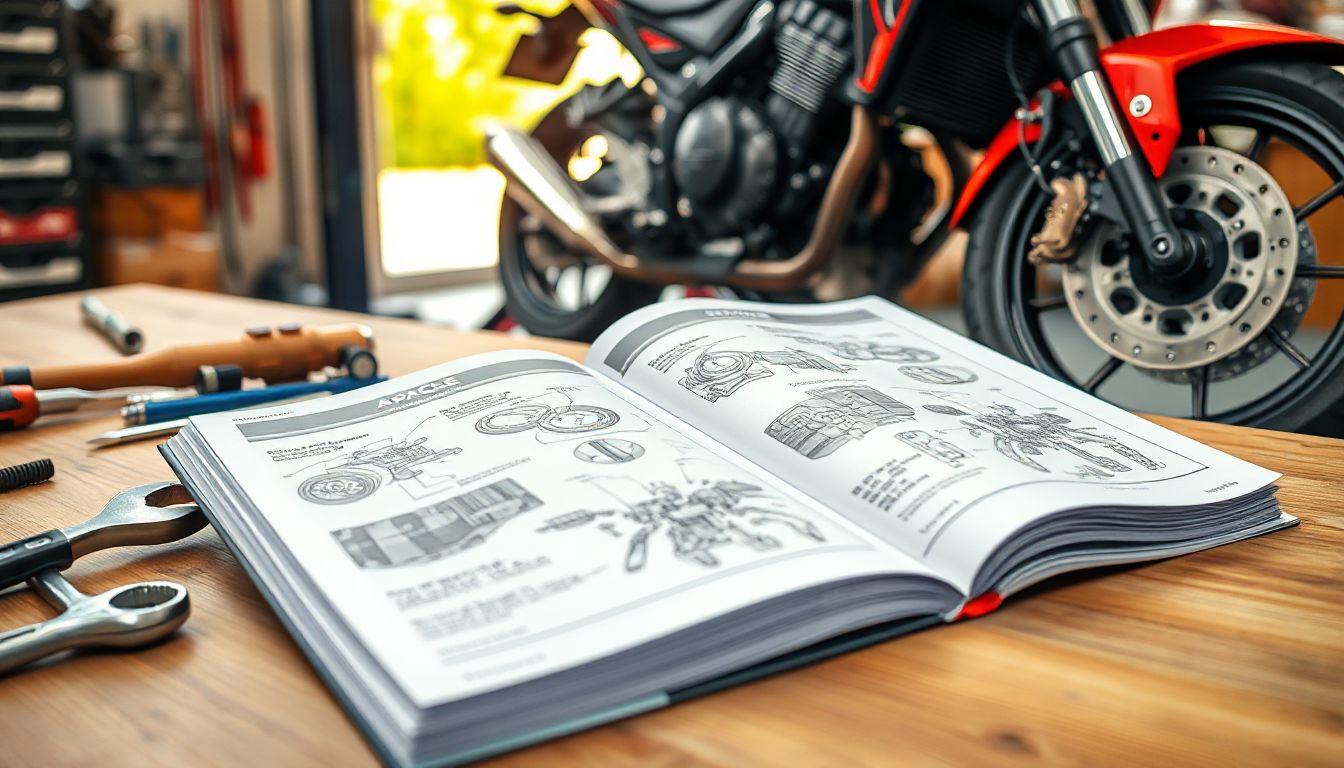
The TVS Apache service manual acts as a roadmap for owners. It spells out steps to keep your ride running smooth. Follow it to meet warranty rules and avoid costly mistakes. You can tackle simple jobs yourself. For big repairs, head to a pro. Sticking to maker's tips boosts power and cuts fuel use.
Overview of the Manual's Structure and Editions
Most manuals split into clear parts. One covers the engine basics. Another hits chassis and brakes. You'll find electrical wiring diagrams too. Troubleshooting charts help spot issues fast. Editions change with models like the RTR 160 or 200. Years matter as well—check for updates on the TVS site. Dealers can hand you the right one for your bike's VIN. Always match the year to avoid wrong specs.
Key Symbols, Warnings, and Safety Precautions
Look for icons that flag dangers. A red exclamation means stop and read. Torque marks show bolt tightness levels. Oil drop symbols point to lube spots. Wear gloves and goggles every time. Set up a clean, lit workspace. Scan for diagnostic lights on the dash. They signal codes for quick fixes. Ignore them, and small problems grow big.
Digital vs. Physical Manual Access
Grab a free PDF from TVS's official page. Search "Apache service manual download" there. Printed books come from dealers for about 500 rupees. Digital ones let you zoom in on diagrams. Print key pages for your garage wall. Bookmark oil change steps in the app. That saves time mid-job.
Essential Maintenance Schedules for Apache Bikes
Routine checks keep breakdowns at bay. Your Apache runs best with steady care. Standard intervals hit every 1,000 km or so. This builds your skills to spot wear early. Follow the plan, and your bike thanks you with better rides.
Daily and Weekly Pre-Ride Checks
Start with tire pressure—aim for 28 psi front, 32 rear. Peek at engine oil through the sight glass. Test brakes by squeezing levers firm. Check lights: high beam, low, and signals. Brakes should grab without squeals. Use a phone app for checklists. Eye the chain for rust or slack. Tighten if needed to keep it quiet.
Monthly and Quarterly Service Routines
At 1,000 km, swap the oil. Clean the air filter with compressed air. Inspect the battery for cracks. Every 3,000 km, scrub the throttle body. Gap the spark plugs to 0.8 mm. Stick to genuine TVS filters and oils. They fit perfect and last longer. Log each step in a notebook.
Annual Deep Maintenance Tasks
Around 10,000 km, adjust valve clearances. Flush the coolant if your model has it. Replace belts or chains showing cracks. This deep work needs basic tools like feeler gauges. Track all services for warranty proof. It also ups resale price by 10-20%. Pros handle this if you're unsure.
Step-by-Step Engine Servicing Guide
The engine powers your Apache's fun. Regular tune-ups mean better miles per liter. Grab a torque wrench and service kit first. These steps cut repair bills and boost pep.
Oil and Filter Replacement Procedures
Park on level ground. Warm the engine five minutes. Drain old oil from the pan bolt. Spin off the filter with a wrench. Wipe the mount clean. Install new filter, hand-tight plus quarter turn. Refill with 1.2 liters of SAE 10W-30. Run the bike idle, then check for leaks. Recycle used oil at a center.
Carburetor or Fuel Injection Tuning
Older Apaches use carbs—adjust idle to 1,400 rpm. Turn the screw slow. EFI models need ECU scans for codes. Clean injectors with spray cleaner. Rev the throttle to clear gunk. This fixes stutters at low speeds. Test ride after to feel the pull.
Timing Chain and Valve Maintenance
Remove valve cover bolts. Check chain slack with a ruler—under 20 mm. Adjust tensioner if loose. Set valves to 0.05 mm intake, 0.10 exhaust. Overheat comes from tight valves. Cool the bike fully before work. Call a shop for seized chains.
Electrical and Chassis System Repairs
Wires and frames hold your safety. Faults here can end a ride quick. Start with symptoms, then test parts. This section arms you for common woes.
Battery and Charging System Diagnostics
Hook a multimeter to battery posts. Rest voltage hits 12.6 volts. Crank the starter—drops to 10 volts max. Clean terminals with baking soda mix. Test alternator at 3,000 rpm for 14 volts. Swap to a sealed battery for less fuss. Charge slow overnight if low.
Brake and Suspension Overhauls
Swap pads when down to 2 mm thick. Bleed lines with fresh DOT 4 fluid. Change fork oil every 20,000 km—pour 120 ml per leg. Align wheels by measuring spoke gaps. Ride straight after. Uneven wear means danger—fix it now.
Wiring Harness and Lighting Fixes
Trace headlight dim to a loose fuse. Pull and check each one. For signals, test bulbs and grounds. Wrap exposed wires with tape. Rain worsens shorts—seal connections. Horn fails from bad relays; swap if buzz is weak.
Troubleshooting Common Apache Bike Issues
Problems pop up on every bike. Know the signs, and you fix them fast. This cuts shop trips and keeps you rolling.
Engine Starting and Performance Problems
No crank? Check kill switch and key. Spark weak means bad plug—gap it fresh. Fuel starve from clogged lines; blow them clear. Compression test at 150 psi min. Prime carb by tapping float. Read manual codes for EFI glitches.
Vibration, Noise, and Handling Concerns
Chain slap needs lube every 500 km. Tighten exhaust bolts to stop rattles. Wobbles from bent rims—balance at a tire shop. Loosen grips if hands tingle. Check swingarm bearings for play.
Overheating and Cooling System Checks
Clean rad fins with a brush. Test thermostat in hot water—opens at 82°C. Idling in heat spikes temps; roll slow. Add water mix if low. Gauge over 100°C means stop.hero-karizma-bike-repairing-and.
Conclusion
The Apache bike service manual unlocks peak performance for your TVS ride. Stick to schedules for fewer headaches. Use real parts and mix home fixes with shop help. Download yours today from TVS. Join online groups for tips from other owners. Ride safe, and enjoy every twist.If you found this post useful, then share it with your friends because bike servicing will be useful for everyone.
📲 Join us on Social Media


Comments
Post a Comment